
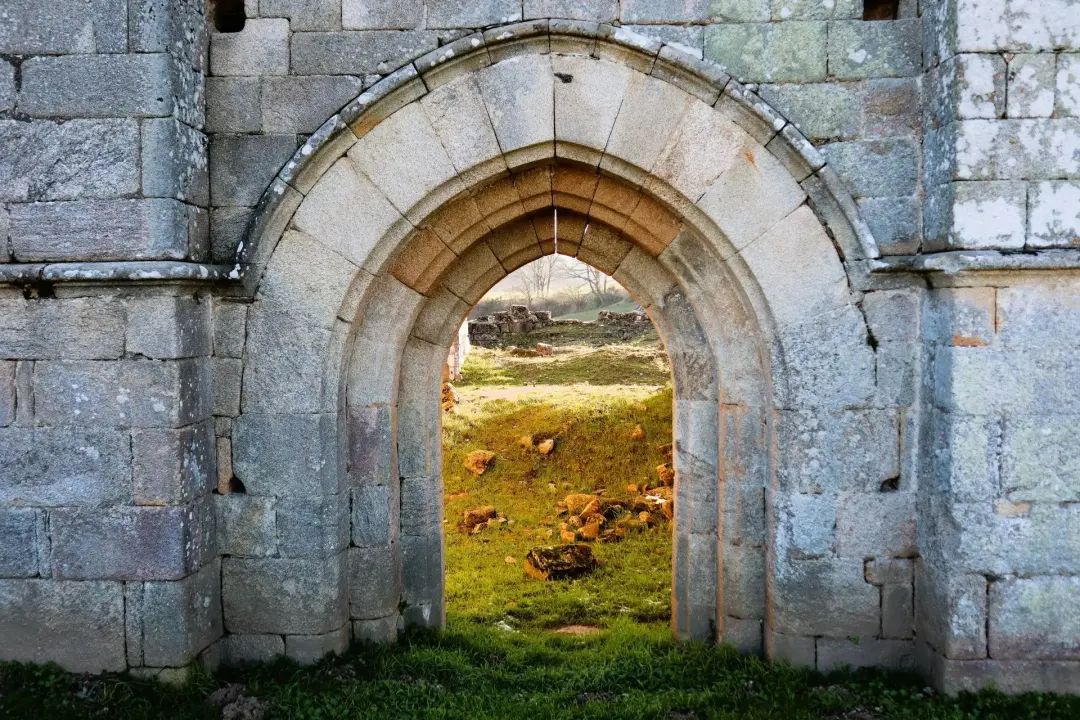
Understanding bespoke stone carving
Bespoke stone carving is the art of shaping stone into unique, purpose‑made forms that respond directly to a specific project, place, and client. Unlike mass‑produced elements, bespoke work begins with a blank block and a clear intention: to create something that fits not just dimensionally, but aesthetically and emotionally. The carver considers the building’s style, the surrounding landscape, and the way light will fall across the surface. Every chisel mark is deliberate, contributing to a piece that feels rooted in its setting rather than simply attached to it.
This craft sits at the intersection of design and construction. Architects and designers may sketch concepts, but it is the stone carver who translates those ideas into three‑dimensional reality. That translation requires an understanding of proportion, depth, and relief, as well as how stone behaves under different tools. A carved motif that looks delicate on paper must be engineered in stone to withstand weather, movement, and time. Bespoke carving therefore becomes a collaborative process, where artistic vision and practical constraints are balanced.
The bespoke nature of the work also allows for a high degree of personalisation. Homeowners might incorporate family crests, symbolic motifs, or references to local history into lintels, plaques, or garden features. Commercial and civic projects can embed branding, emblems, or narrative scenes into façades and public spaces. Because each piece is designed from scratch, the carver can adjust scale, complexity, and style to suit the client’s budget and the building’s character, ensuring the result feels intentional rather than ornamental for ornament’s sake.
Finally, bespoke stone carving is about permanence. When a piece is carved specifically for a location, it becomes part of that place’s identity. Over years, people come to recognise a building by its carved doorway, its sculpted cornice, or its distinctive stone signage. The work outlives trends and often outlives its original owners, becoming a quiet marker of the craft and care invested at the time of construction. In this way, bespoke carving is not just decoration, it is a long‑term contribution to the built environment.
The heritage of traditional carving
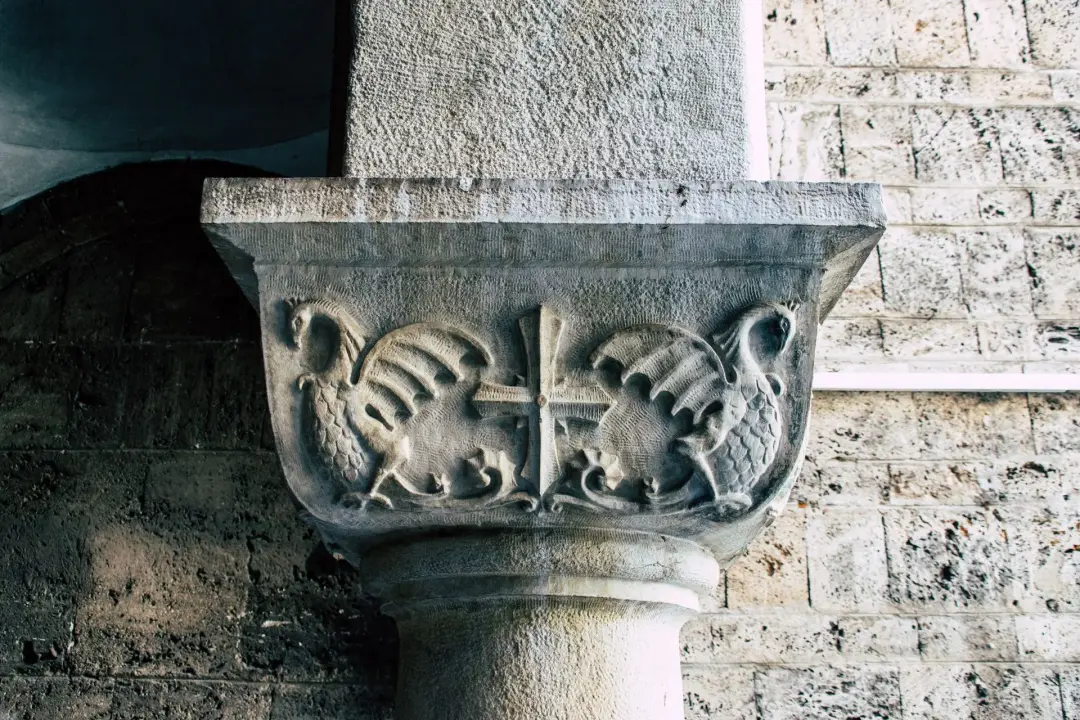
Traditional stone carving has deep roots in architectural history, from classical temples and Gothic cathedrals to vernacular cottages and civic monuments. For centuries, carvers were responsible for translating cultural stories, religious beliefs, and social values into stone. Capitals, friezes, and reliefs carried symbolic imagery that could be “read” by those who passed beneath them. This heritage gives modern bespoke carving a rich vocabulary to draw from, whether referencing medieval foliage patterns or the clean lines of Georgian mouldings.
The techniques used by historic carvers were developed through apprenticeship and practice, often passed down within families or guilds. Hand tools such as mallets, chisels, and rasps were used with remarkable precision, allowing carvers to achieve crisp edges and subtle textures. Many of these methods remain unchanged today, not out of nostalgia, but because they are still the most effective way to control the material. When a modern carver uses a traditional punch or claw chisel, they are participating in a lineage of craft that spans generations.
Traditional carving also reflects regional identity. Different areas favoured particular stones (limestone, sandstone, granite) and developed styles suited to those materials. In some towns, you can recognise the work of a specific historic mason by the way they shaped a moulding or carved a leaf. Bespoke carving today can honour this local heritage by echoing established forms or reinterpreting them in contemporary ways. This continuity helps new buildings sit comfortably alongside older ones, creating streetscapes that feel coherent rather than fragmented.
Importantly, the heritage of carving is not just about aesthetics; it is about durability. Many historic carvings have survived centuries of weathering, pollution, and structural movement. Their survival is a testament to the skill of the original carvers and the suitability of the chosen stone. When modern projects look to traditional carving for inspiration, they are also learning from proven solutions, profiles that shed water, depths that resist erosion, and compositions that remain legible even as surfaces age. This historical knowledge is invaluable for anyone seeking to create bespoke stonework that will endure.
Modern approaches to stone craft
Contemporary stone carving sits in a world that has access to advanced tools, digital design, and new construction methods. Modern carvers often begin with computer‑aided design (CAD) models or 3D visualisations, allowing clients to see proposed carvings in context before any stone is cut. This digital stage can refine proportions, test different motifs, and ensure that the carved elements integrate seamlessly with other materials. It also helps coordinate with structural engineers and contractors, reducing surprises on site.
Power tools and pneumatic equipment have expanded what is possible in terms of efficiency and scale. While fine detailing is still typically done by hand, roughing out large blocks or shaping repetitive elements can be accelerated with modern machinery. This allows carvers to take on more ambitious projects or meet tight construction timelines without compromising quality. The key is knowing when to use technology and when to rely on hand skills, modern approaches are most successful when they combine both intelligently.
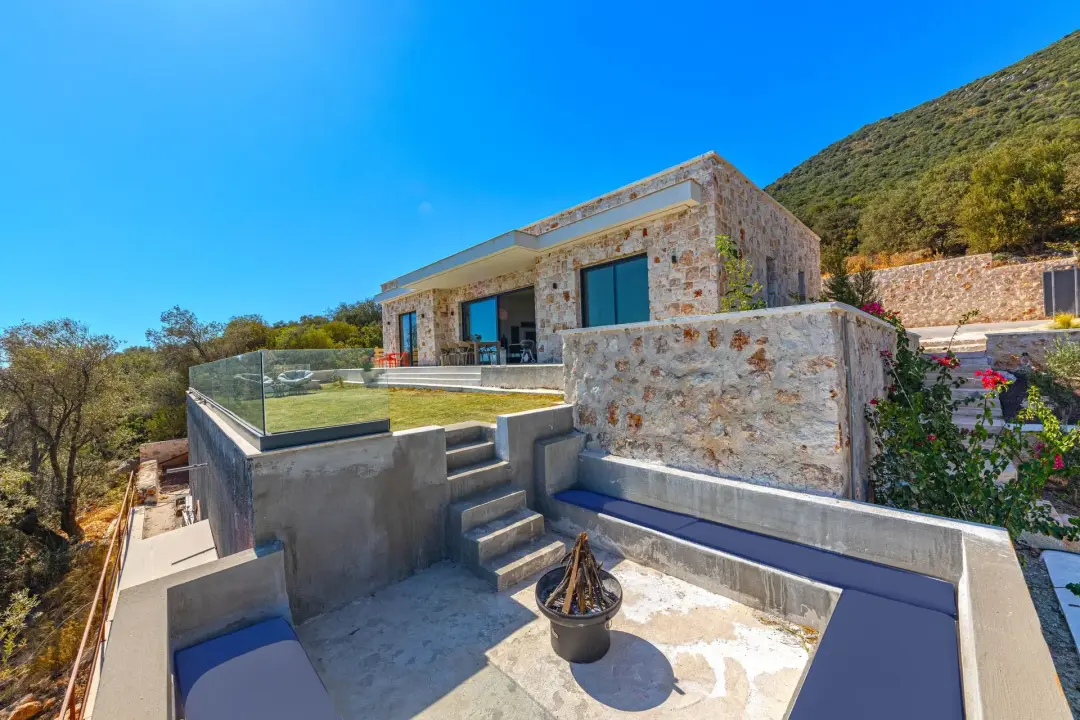
New design influences also shape contemporary stone craft. Architects may request minimalist, abstract forms rather than traditional figurative motifs. Landscape designers might integrate carved stone into water features, seating, or wayfinding elements. Public art commissions can involve collaboration with artists from other disciplines, resulting in installations that blend stone with metal, glass, or lighting. Bespoke carving adapts to these varied contexts, proving that stone is not limited to historic styles but can be a versatile medium for modern expression.
Sustainability considerations further influence modern approaches. Carvers and designers increasingly think about the environmental impact of quarrying, transport, and waste. Efficient cutting plans, reuse of offcuts, and sourcing from local quarries can reduce the carbon footprint of a project. Stone itself is a low‑maintenance, long‑lasting material, and when carved thoughtfully, it can replace shorter‑lived alternatives. Modern stone craft therefore aligns well with contemporary priorities around responsible building and lifecycle performance.
Selecting the ideal stone
Choosing the right stone is one of the most critical decisions in bespoke carving. Different stones have distinct properties, hardness, grain, porosity, that affect how they can be worked and how they will perform over time. A fine‑grained limestone might be ideal for intricate detailing, while a tougher sandstone could be better suited to exposed, structural elements. The carver assesses not only the visual appearance but also how the stone responds to tools, whether it chips cleanly, and how it weathers.
Colour and texture play a major role in the aesthetic outcome. Warm, honey‑coloured stones can give a building a soft, inviting character, while cooler greys and off‑whites may suit more formal or contemporary designs. The natural variation within a stone, veining, fossils, subtle tonal shifts, can be either embraced or minimised depending on the design intent. For highly uniform features, the carver may select blocks from specific parts of the quarry; for more organic compositions, variation can be used to add visual interest.
Environmental conditions must also be considered. Stones that perform well in dry, inland climates may behave differently in coastal or heavily polluted environments. Freeze‑thaw cycles, salt exposure, and acid rain can all affect durability. A skilled carver, often in consultation with a stone supplier, will recommend stones that have a proven track record in similar settings. This practical knowledge helps avoid premature deterioration and ensures that the carved work remains structurally sound and visually pleasing.
Designing custom carved features
Designing bespoke carved features begins with understanding the building’s architecture and the client’s aspirations. The carver and designer consider where carving will have the greatest impact, door surrounds, window heads, cornices, plaques, or freestanding elements like garden sculptures. Each location has different visibility, lighting, and functional requirements. A doorway might call for bold, welcoming forms, while a high cornice may need simplified motifs that read clearly from the street.
Scale and proportion are central to successful design. A carved detail that looks impressive up close can appear cluttered or illegible from a distance if not sized appropriately. The designer must think in three dimensions, considering how shadows will define the forms and how the carving will relate to adjacent materials. Subtle adjustments in depth, spacing, and profile can make the difference between a feature that feels harmonious and one that appears overbearing or lost.
Stylistic choices further shape the design. Some clients prefer historically informed motifs, foliage, scrolls, heraldic symbols, while others lean toward geometric or abstract patterns. Bespoke carving allows for hybrid approaches, blending traditional elements with contemporary lines. The carver may sketch multiple options, exploring how different motifs sit within the architectural framework. This iterative process ensures that the final design reflects both the building’s character and the client’s personality.
Integrating carving into architecture
Integrating bespoke carving into architecture is about more than attaching decorative pieces to a façade. It involves designing the stonework as an integral part of the building’s composition. Carved elements can emphasise entrances, frame windows, define rooflines, or articulate transitions between materials. When done well, they guide the eye, create rhythm, and add depth to otherwise flat surfaces. The architecture and carving become a single, coherent expression rather than separate layers.
Coordination with the wider design team is essential. Architects, structural engineers, and contractors need to understand how the carved stone will be supported, how it interfaces with insulation and weatherproofing, and how it affects construction sequencing. Bespoke carving may require adjustments to structural openings, lintel sizes, or façade build‑ups. Early collaboration avoids conflicts on site and ensures that the carved elements can be installed safely and efficiently.
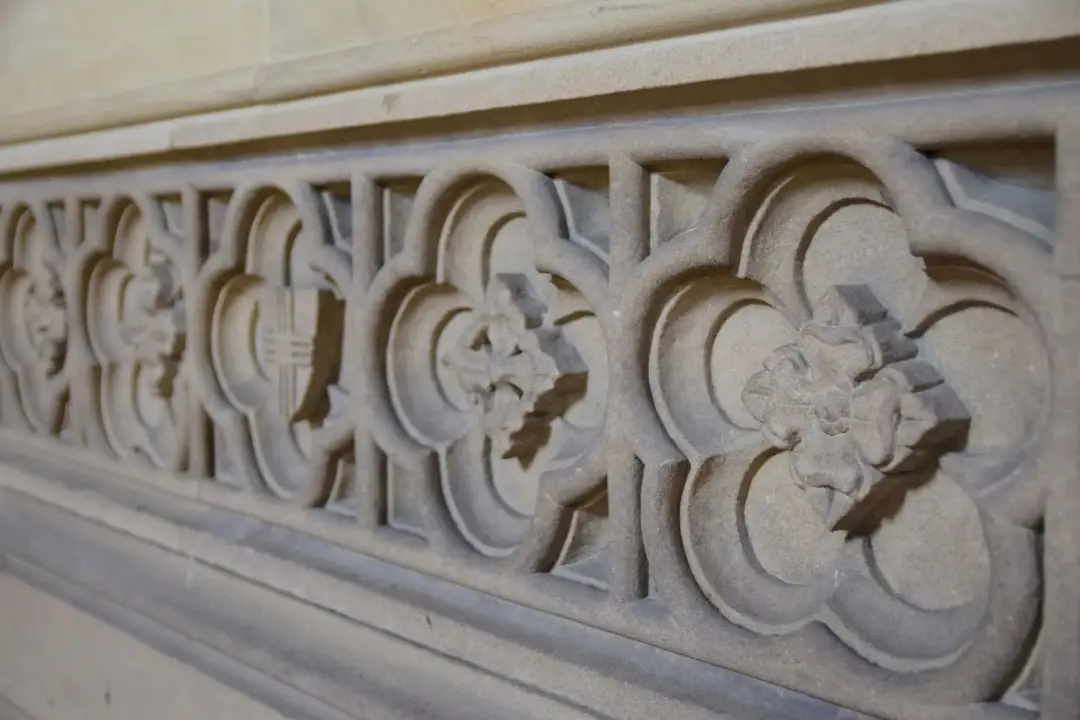
Interior spaces also benefit from integrated carving. Stone fireplaces, staircases, columns, and feature walls can be designed with carved details that echo exterior motifs or introduce new themes. In public buildings, carved signage, wayfinding elements, or commemorative plaques can be incorporated into circulation routes. This continuity between inside and outside reinforces the building’s identity and gives occupants a tactile, visual connection to the material.
Lighting is another major factor in integration. Natural and artificial light reveal the depth and texture of carving, changing its appearance throughout the day. Designers may position carved elements where they catch morning or evening light, or use targeted lighting to highlight specific features at night.
Restoration through skilled carving
Restoration projects often rely on skilled stone carvers to repair or replicate historic features that have been damaged or lost. The first step is careful assessment: understanding the original design, the extent of deterioration, and the causes of damage. Carvers may study archival drawings, photographs, or surviving fragments to reconstruct missing details. This investigative work is as important as the carving itself, ensuring that interventions respect the building’s heritage.
Matching the original stone is a critical challenge. The carver must identify a stone with similar colour, texture, and performance characteristics to the existing fabric. In some cases, the original quarry may still be accessible; in others, a close alternative must be found. Once the stone is selected, the carver replicates profiles, mouldings, and motifs with precision, often using traditional tools and techniques to achieve an authentic finish. The goal is for new work to blend seamlessly with old, without falsifying history.
Restoration carving can involve both replacement and conservation. Severely eroded or structurally compromised elements may need to be removed and replaced, while less damaged features can be carefully cleaned, consolidated, or retooled. Carvers work alongside conservation specialists to determine the least intrusive approach that still ensures safety and longevity. This balance between preservation and renewal is delicate, requiring judgement and respect for the building’s story.
Beyond technical repair, restoration carving helps revive the original character of a structure. Reinstated details, cornices, capitals, decorative panels, can transform a tired façade, revealing the craftsmanship that was once obscured by damage or insensitive alterations. For communities, seeing a familiar building restored with care can be deeply meaningful, reinforcing local identity and pride. Skilled carving thus plays a vital role in keeping architectural heritage alive and legible for future generations.
The bespoke carving process
The process of creating bespoke stone carving typically begins with consultation and concept development. The carver meets with the client and design team to understand the project’s goals, budget, and constraints. Initial sketches or digital models are produced to explore ideas and agree on the overall direction. This stage may involve several iterations, refining motifs, scale, and placement until everyone is confident in the proposed design.
Once the design is approved, detailed drawings and templates are prepared. These guide the carving and ensure that dimensions align with the building’s construction plans. The stone blocks are selected and cut to size, either at the quarry or in the workshop. At this point, the carver marks out the design on the stone, establishing key reference points and outlines. Accurate layout is crucial; it sets the framework within which all subsequent carving takes place.
The carving itself progresses from roughing out to fine detailing. Larger tools remove bulk material, establishing the main forms and depths. As the work advances, the carver switches to finer chisels and rasps to sharpen edges, refine curves, and introduce texture. Throughout, the carver continually checks the work against templates and drawings, adjusting as needed to maintain fidelity to the design. This stage demands concentration, physical skill, and an intimate understanding of how the stone responds.
After carving, finishing and quality checks are carried out. Surfaces may be left with tool marks for a lively, handcrafted appearance, or smoothed to a more formal finish, depending on the design intent. The carver inspects the piece for structural soundness, ensuring there are no hidden cracks or weaknesses. Finally, the carved stone is transported to site and installed, often by specialist masons.
Showcasing decorative stonework
Showcasing decorative stonework is about presenting the carving in ways that invite attention and appreciation. On façades, carved elements can be positioned at eye level or along key sightlines so that passers‑by naturally notice them. Entrances, corners, and junctions between building volumes are particularly effective locations, as they already draw the eye. Thoughtful placement ensures that the craft is visible rather than hidden in obscure areas.
In landscapes and gardens, carved stone can become focal points. Benches, fountains, boundary markers, and sculptures can be designed with decorative motifs that complement planting and hardscape materials. These features encourage people to pause, sit, and touch the stone, creating a tactile connection to the craft. The interplay between carved surfaces and natural elements, water, foliage, light, adds layers of experience that change with the seasons.
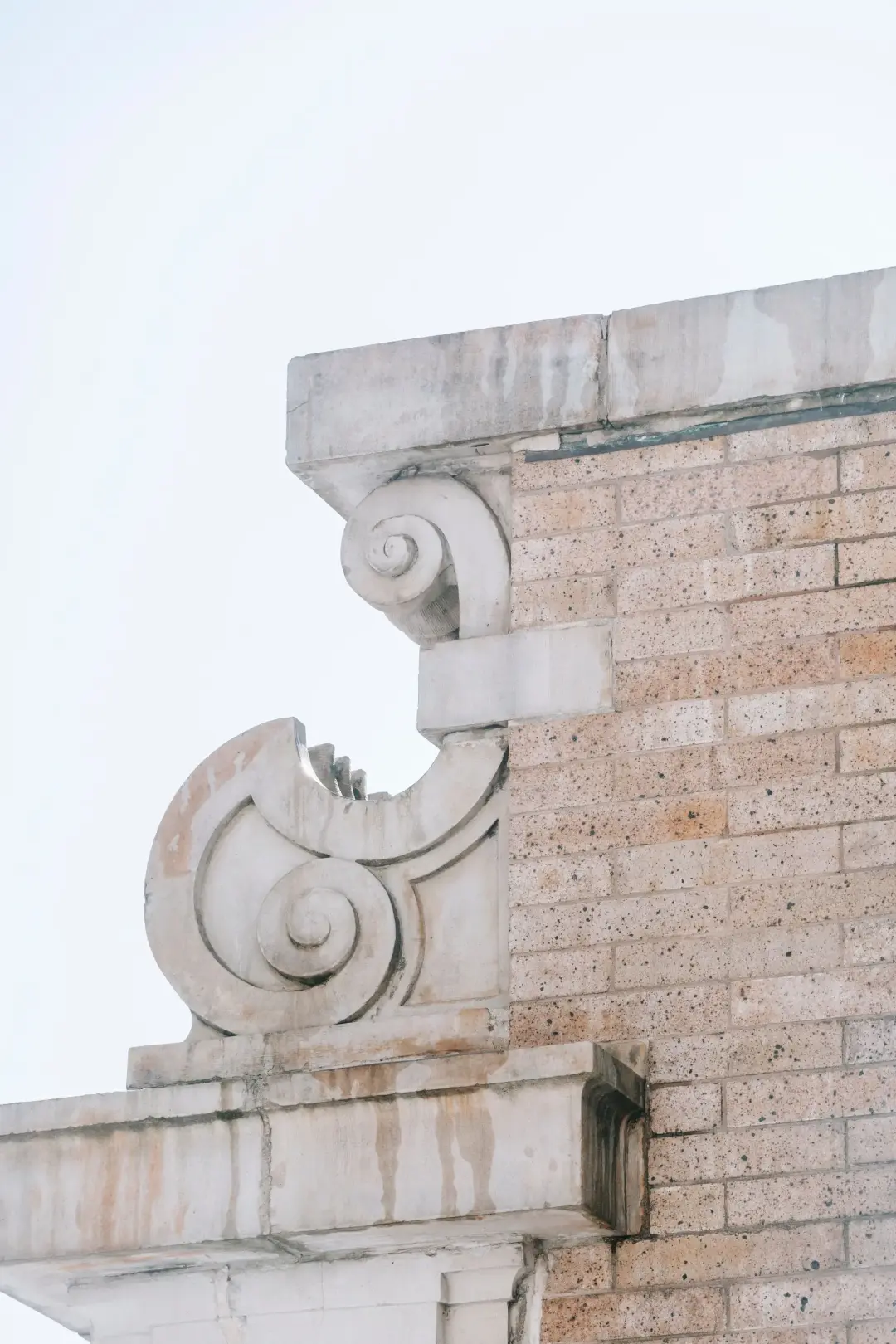
Interior spaces offer more intimate opportunities to showcase stonework. Fire surrounds, stair balustrades, wall panels, and feature columns can be carved with subtle or bold details, depending on the room’s character.
In public buildings, carved inscriptions or reliefs can communicate stories, commemorate events, or reinforce institutional identity.
Because interior stone is protected from weather, finer detailing can be used, allowing for delicate textures and intricate patterns that reward close inspection.
Long‑term value of bespoke stonework
The long‑term value of bespoke stonework lies first in its durability. Stone, when properly selected and carved, can withstand decades or centuries of exposure with minimal maintenance. Unlike many synthetic materials, it does not rely on coatings or complex systems to remain stable. This inherent resilience means that the initial investment in bespoke carving continues to pay off over time, as the features remain intact and attractive long after other elements may need replacement.
Bespoke stonework also adds enduring aesthetic value. Because it is designed specifically for a building and context, it tends to age gracefully. Patina, slight weathering, and the softening of edges can enhance the character of the carving rather than detract from it. The work becomes part of the building’s story, contributing to a sense of authenticity that is difficult to replicate with off‑the‑shelf components. This uniqueness can increase a property’s appeal and perceived quality.
There is also cultural and emotional value. Buildings with distinctive carved features often become landmarks within their communities, recognised and remembered by residents and visitors. These details can embody local history, personal narratives, or shared symbols, giving people a sense of connection to the place. Over time, the stonework may be referenced in photographs, artworks, or stories, embedding the craft into the collective memory of the area.
Lastly, bespoke stonework can offer plenty of economic benefits. Properties with high‑quality, well‑integrated stone carving often command higher market values, as buyers associate such features with craftsmanship and longevity. For commercial or civic projects, distinctive stonework can strengthen branding and identity, attracting visitors and users. When considered over the lifespan of a building, the cost of bespoke carving is frequently justified by the combination of durability, aesthetic richness, and intangible value it brings.
At Suthers Stonemasonry, we carry out a range of stonework and masonry for local clients throughout Perth and Pitlochry. Whether you're on the lookout for a bespoke piece of stonework, stone restoration, or a complete stonemasonry new build, our specialists have the years of experience to help you!
Related Articles
The Long-Term Value of Skilled Masonry