
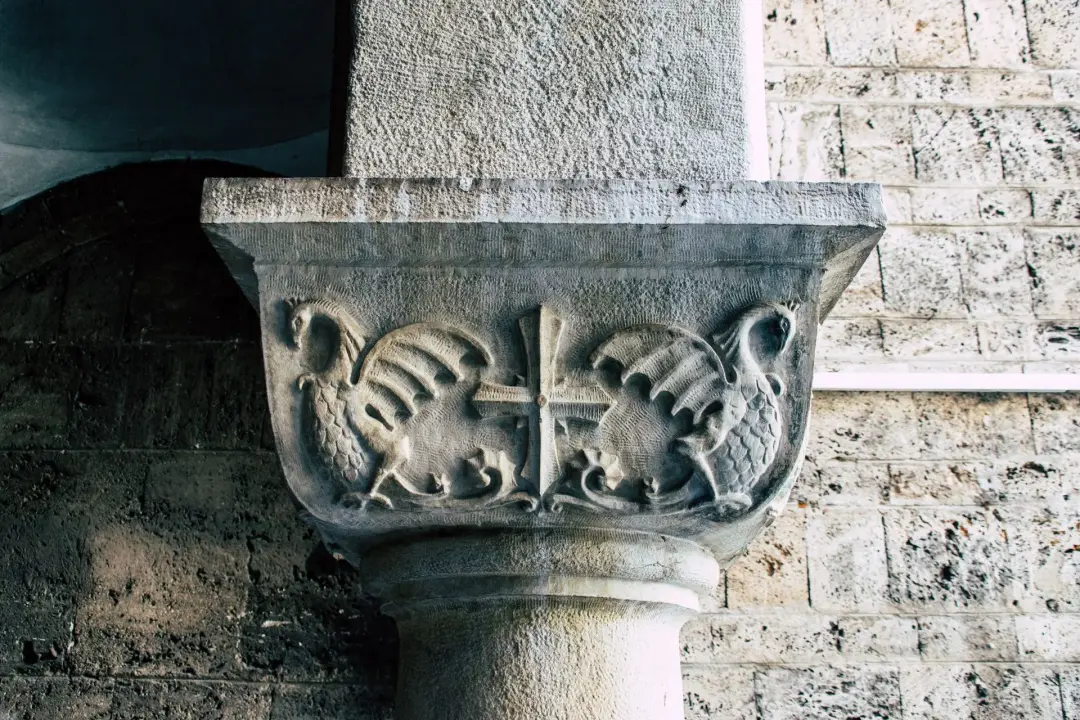
Understanding skilled masonry
Skilled masonry is the practice of constructing and shaping buildings with stone, brick, or block using techniques that prioritise structural integrity, precision, and longevity. It goes beyond simply stacking units; it involves understanding how materials interact, how loads are transferred, and how details affect performance. A skilled mason reads the building like a system, ensuring that each course, joint, and bond contributes to a stable, coherent whole.
Training and experience are central to skilled masonry. Many masons learn through apprenticeships, gaining hands‑on knowledge that cannot be fully captured in manuals. They develop an eye for plumb, level, and alignment, and a feel for how mortar behaves under different conditions. This practical expertise allows them to adapt to site realities, slight variations in materials, weather changes, or unforeseen structural quirks, while still delivering precise work.
Skilled masonry also encompasses an understanding of architectural intent. Masons must interpret drawings and specifications, but they often make small, critical decisions on site that affect the final appearance and performance. Adjusting joint thickness, aligning patterns with openings, or resolving junctions between materials can significantly influence the building’s character. When masons are engaged as craftspeople rather than mere labour, their input enhances the design.
Importantly, skilled masonry is not limited to traditional buildings. Contemporary architecture frequently uses masonry in innovative ways, thin brick veneers, complex patterns, mixed materials. Skilled masons are able to execute these designs accurately, ensuring that ambitious concepts are realised safely and effectively. Their role remains essential, even as construction methods evolve, because the fundamental principles of good masonry, accuracy, stability, and care, do not change.
The enduring strength of quality craft
Quality masonry craft directly influences a building’s strength and resilience. Well‑laid units, properly filled joints, and correct bonding patterns create walls and structures that can resist loads, movement, and environmental stresses. When these fundamentals are executed with care, the building is less prone to cracking, water ingress, or structural failure. The strength is not just in the materials, but in how they are assembled.
Attention to detail in masonry contributes to long‑term performance. For example, consistent joint thickness ensures even distribution of loads and reduces stress concentrations. Correctly tooled joints improve water shedding and reduce the risk of moisture penetration. Properly aligned courses prevent cumulative errors that can compromise stability. Each of these details may seem small, but together they form the difference between a robust structure and a vulnerable one.
Quality craft also affects how buildings respond to unforeseen events. Structures built with skilled masonry often perform better during extreme weather, minor ground movement, or accidental impacts. The integrity of the bonds and the coherence of the wall system allow the building to absorb and distribute forces more effectively. This resilience can prevent minor issues from escalating into major failures, protecting occupants and reducing repair costs.
Over time, the enduring strength of quality masonry becomes evident in the building’s condition. Walls remain true, joints remain sound, and surfaces show fewer signs of distress. Owners may not see the craft that went into the construction, but they experience its benefits in the form of fewer problems and lower maintenance demands. In this sense, skilled masonry is an investment in structural peace of mind.
Why traditional techniques still matter
Traditional masonry techniques, such as proper bonding patterns, lime‑based mortars, and hand‑tooled joints, have been refined over centuries because they work. They were developed in response to real‑world conditions and tested by time. Even as new materials and systems emerge, these techniques remain relevant because they address fundamental issues: how to manage moisture, accommodate movement, and ensure stability.
For example, traditional lime mortars are more flexible and breathable than many modern cement‑rich mixes. In solid masonry walls, this breathability allows moisture to evaporate rather than become trapped, reducing the risk of damp and decay. The slight flexibility of lime mortars also helps accommodate minor movements without cracking the masonry units. Skilled masons who understand these properties can choose and apply mortars that suit the building’s construction and environment.
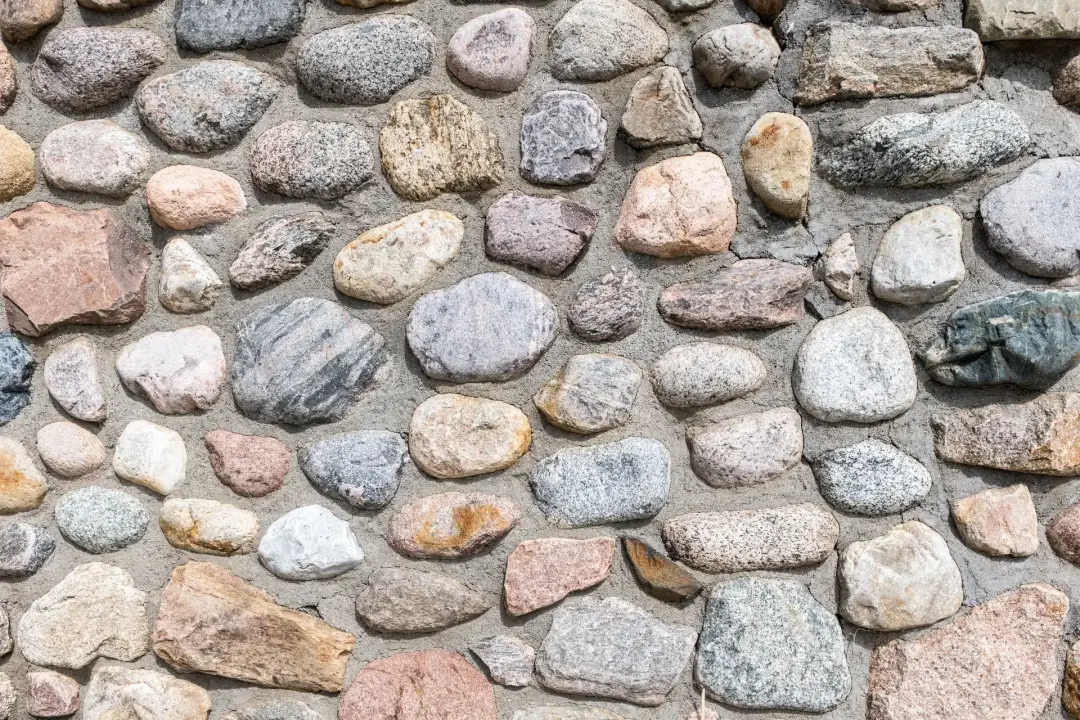
Bonding patterns such as English bond, Flemish bond, or header‑stretcher arrangements are not just decorative; they are structural strategies. They distribute loads, tie wall faces together, and prevent planes of weakness. Traditional masons learned which bonds suited different wall thicknesses and structural demands. Modern masons who retain this knowledge can ensure that new work, especially in load‑bearing applications, has the same proven stability.
Traditional techniques also matter in restoration and retrofit work. Historic buildings were built with specific materials and methods, and interventions that ignore these can cause harm. Skilled masons who understand traditional craft can repair and adapt older structures in ways that respect their original behaviour. This might involve matching mortar types, replicating bonds, or using hand tools to avoid damaging fragile units. In doing so, they bridge past and present, keeping heritage buildings functional and safe.
Precision work that enhances longevity
Precision in masonry is not an aesthetic luxury; it is a practical necessity for longevity. Accurate setting out ensures that walls are straight, openings are correctly sized, and structural elements align as intended. When dimensions are precise, loads are transferred as designed, and components such as lintels, beams, and roof structures fit properly. This reduces stress on the masonry and associated elements, contributing to long‑term stability.
Joint quality is a key aspect of precision. Skilled masons control mortar consistency, joint thickness, and tooling to achieve uniform, well‑compacted joints. Gaps, voids, or irregular joints can become pathways for water or points of weakness under load. By ensuring that joints are properly filled and finished, masons create a continuous, cohesive wall system that resists environmental and mechanical stresses more effectively.
Precision also extends to detailing around openings and junctions. Window and door reveals, sill interfaces, and corners are common locations for cracks and water ingress if not executed carefully. Skilled masons pay close attention to these areas, aligning units, controlling cuts, and coordinating with other trades to ensure tight, well‑designed junctions. This care reduces the likelihood of future problems such as draughts, leaks, or thermal bridging.
Material choices that stand the test of time
The materials used in masonry, such as stone, brick, block, and mortar, have a profound impact on how a building ages. Skilled masons understand that not all materials are equal, and that compatibility between units and mortar is crucial. Choosing durable, well‑fired bricks or sound stone, paired with appropriate mortars, creates assemblies that can withstand weathering, mechanical loads, and environmental changes over decades.
Local materials often have advantages in longevity. Stones and bricks that have been used historically in a region have a proven track record in that climate. Skilled masons may recommend these materials because they know how they behave under local conditions, rainfall patterns, temperature ranges, pollution levels. Using familiar materials also simplifies sourcing for future repairs, ensuring that replacements can match the original fabric. Mortar selection is equally important.
Mortars that are too hard or impermeable relative to the masonry units can cause damage, as stresses and moisture are forced into the weaker units. Skilled masons choose mortars with appropriate strength, flexibility, and breathability, often favouring mixes that allow the mortar to act as the sacrificial element. This means that, over time, it is the mortar that may need repointing rather than the units needing replacement, a far less invasive and costly intervention.
Material choices also influence the building’s environmental performance. Masonry materials with good thermal mass can help moderate internal temperatures, reducing energy demands. Durable materials reduce the need for frequent replacement, lowering lifecycle impacts.
Structural integrity through expert craftsmanship
Structural integrity in masonry is achieved when materials, design, and work align. Expert craftsmanship ensures that the theoretical strength of a design is realised in practice. Masons follow bonding patterns, respect specified wall thicknesses, and ensure that load‑bearing elements are properly supported. They understand how to build corners, junctions, and returns so that walls act as unified systems rather than disconnected planes.
Load paths are a central consideration. Skilled masons know that loads must be transferred safely from roofs and floors down through walls to foundations. They avoid creating weak points by ensuring continuous support under beams and lintels, avoiding excessive cutting of units, and maintaining adequate bearing lengths. When modifications are needed on site, they make them in ways that preserve or enhance structural performance rather than compromise it.
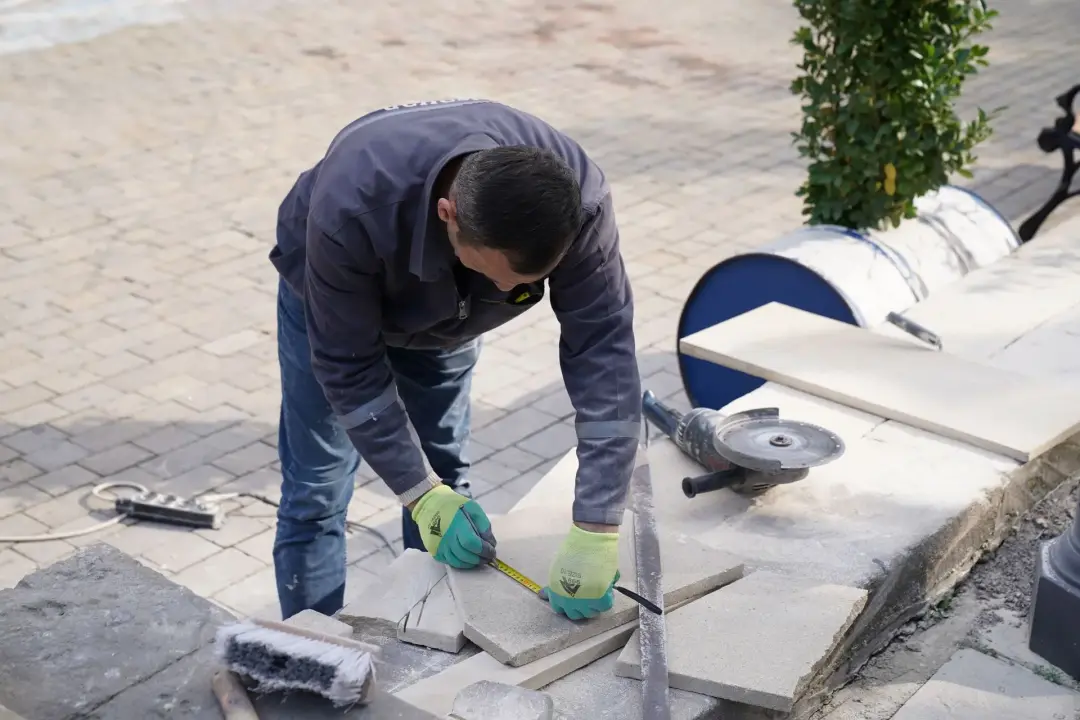
Expert craftsmanship also involves managing movement. Buildings experience thermal expansion, minor settlement, and other shifts over time. Masons can incorporate movement joints, adjust mortar types, and detail interfaces to accommodate these changes. By anticipating how the structure will behave, they reduce the risk of cracking or distortion. This foresight is a hallmark of skilled masonry and a key contributor to long‑term integrity.
Inspection and self‑checking are part of expert practice. Skilled masons continually assess their work as it progresses, correcting minor deviations before they become major issues. They may use string lines, levels, and laser tools to verify alignment, and they remain attentive to how the wall feels and looks. This ongoing quality control ensures that the finished structure meets both design and performance expectations, providing a solid, reliable envelope for the building.
Masonry’s role in sustainable building
Masonry plays a significant role in sustainable building when executed with skill and thoughtful design. Many masonry materials, stone, brick, and some blocks, have long lifespans and low maintenance requirements, reducing the need for frequent replacement. Their durability means that the embodied energy invested in their production is spread over many decades, making them efficient choices in lifecycle terms.
Thermal mass is a key sustainability benefit of masonry. Walls with sufficient mass can absorb heat during the day and release it slowly, helping to stabilise internal temperatures. Skilled masons can design and build walls that take advantage of this property, coordinating with architects and engineers to optimise thicknesses, insulation placement, and finishes. This can reduce reliance on mechanical heating and cooling, lowering energy consumption.
Masonry also supports sustainable practices through adaptability and reuse. Buildings with robust masonry structures can be repurposed rather than demolished, extending their useful life. Skilled masons can repair and modify existing walls to accommodate new uses, such as adding openings, reinforcing elements, or integrating new services. This adaptability reduces waste and preserves the embodied energy of the original construction.
The economic benefits of skilled masonry
Skilled masonry offers economic benefits that extend beyond the initial construction phase. Buildings constructed with high‑quality masonry tend to require fewer repairs and less intensive maintenance over time. Sound joints, durable materials, and well‑executed details reduce the likelihood of issues such as water ingress, cracking, or structural failure. This translates into lower ongoing costs for owners and operators.
The longevity of masonry structures also affects asset value. Properties with robust, well‑crafted masonry are often perceived as more desirable and reliable. Buyers and tenants may be willing to pay a premium for buildings that feel solid, secure, and well‑built. This perception is rooted in the visible quality of the construction, straight walls, crisp joints, and coherent patterns, as well as the reputation of masonry as a durable building method.
Skilled masonry can reduce costs during construction by minimising errors and rework. Masons who understand the design and work precisely are less likely to make mistakes that require demolition and rebuilding. Their ability to coordinate with other trades and adapt to site conditions helps keep projects on schedule and within budget. While skilled labour may command higher rates, the overall project can benefit from smoother delivery and fewer complications.
Preserving heritage with quality stonework
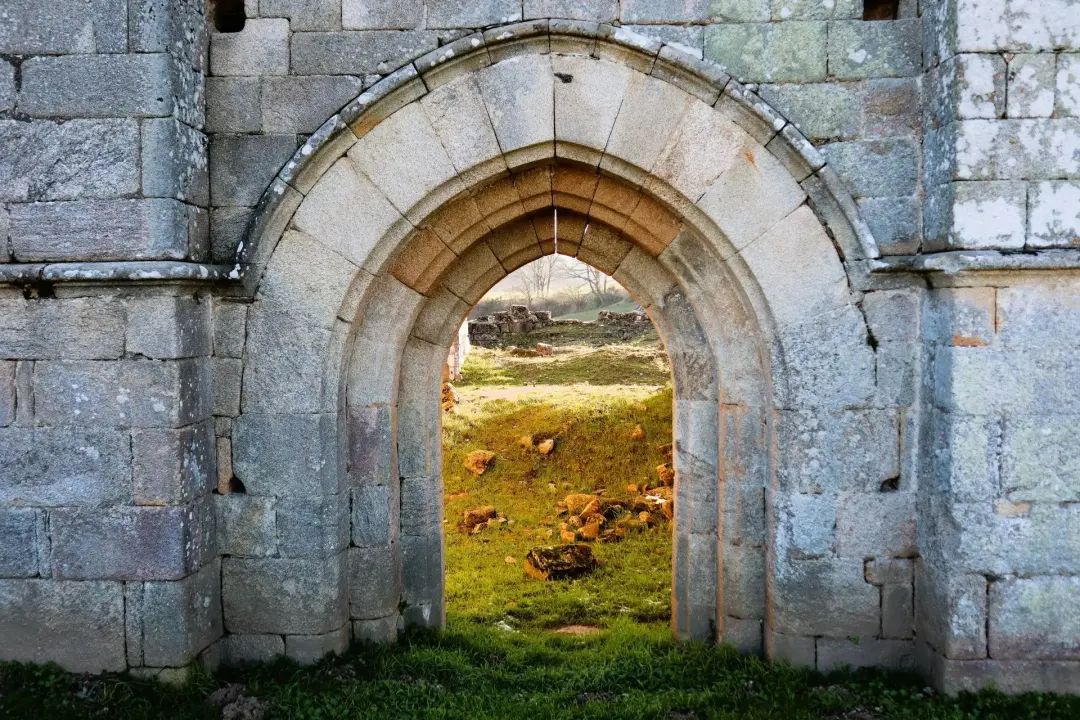
Heritage buildings frequently rely on masonry and stonework as defining elements of their character. Preserving these structures requires quality craftsmanship that understands both historic techniques and modern conservation principles. Skilled masons can repair damaged stone, repoint joints, and replace failing elements in ways that maintain the building’s authenticity. Their work ensures that heritage is not just visually maintained, but structurally secured.
Accurate matching of materials and details is central to heritage preservation. Stones and bricks must be chosen to match existing fabric in colour, texture, and performance. Mortars must be compatible with historic units, often requiring lime‑based mixes. Skilled masons can replicate historic bonds, profiles, and tooling, allowing new work to blend seamlessly with old. This attention to detail prevents jarring contrasts and maintains the building’s visual coherence.
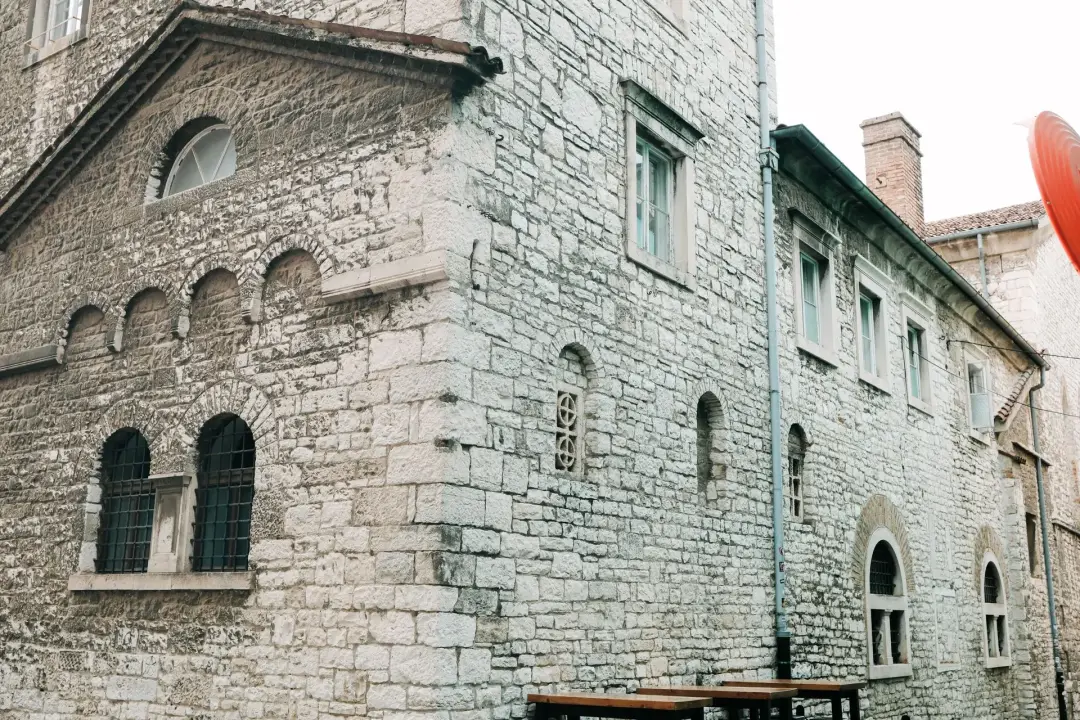
Quality stonework in heritage contexts also involves sensitive intervention. Not every defect requires replacement; sometimes careful cleaning, consolidation, or minor repair is more appropriate. Skilled masons work with conservation specialists to determine the least intrusive methods that still ensure safety and longevity. They understand that over‑restoration can erase signs of age and history, while under‑intervention can leave structures vulnerable. Striking the right balance is a nuanced task.
Preserving heritage with quality masonry has broader cultural and economic benefits. Well‑maintained historic buildings contribute to local identity, tourism, and community pride. They provide tangible links to the past, helping people understand and appreciate the evolution of their surroundings. Skilled masonry is therefore not just a technical service; it is a contribution to cultural continuity and place‑making, with impacts that extend far beyond the construction site.
Investing in craft for future generations
Investing in skilled masonry is, ultimately, an investment in the future. Buildings constructed or restored with quality craft are more likely to remain functional, safe, and valued for decades to come. They become part of the physical inheritance passed down to future generations, shaping the environments in which people live, work, and gather. The decisions made during construction, about materials, techniques, and labour, have long‑lasting consequences.
Supporting training and apprenticeship in masonry ensures that the craft does not fade. As experienced masons pass on their knowledge, new practitioners learn not only how to lay units, but why certain methods matter. This continuity of expertise allows future projects to benefit from proven techniques and thoughtful innovation. Investing in education and fair working conditions for masons is therefore a key part of sustaining the built environment’s quality.
Clients and designers who prioritise craft send a clear message about values. Choosing skilled masonry over purely cost‑driven alternatives signals a commitment to durability, authenticity, and responsibility. It acknowledges that buildings are not disposable products, but long‑term assets that affect communities and landscapes. This mindset can influence broader industry practices, encouraging more projects to consider lifecycle performance rather than short‑term savings.
At Suthers Stonemasonry, we carry out a range of stonework and masonry for local clients throughout Perth and Pitlochry. Whether you're on the lookout for a bespoke piece of stonework, stone restoration, or a complete stonemasonry new build, our specialists have the years of experience to help you!
Related Articles
Adding Character and Craft With Bespoke Stone Carving